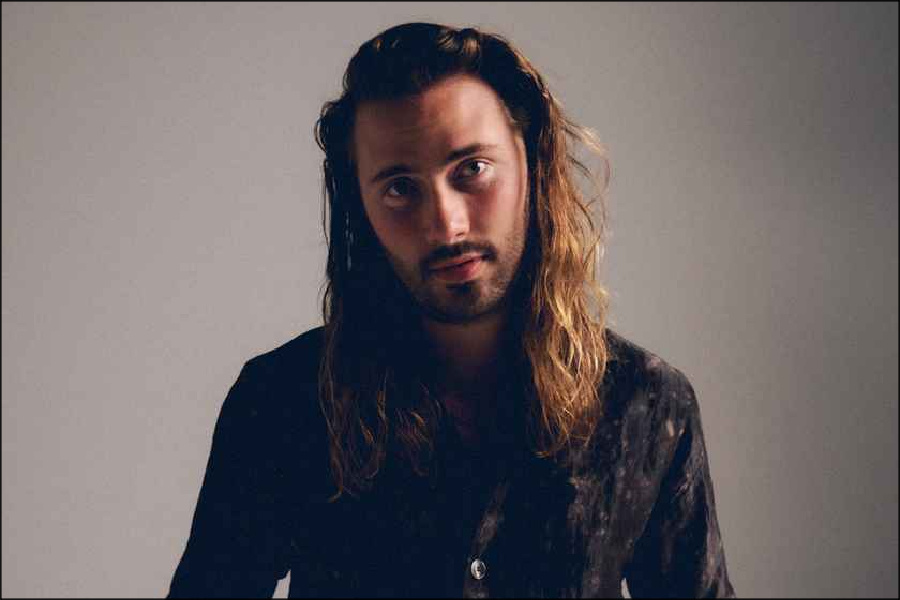
Brian Godawa has been a professional filmmaker, writer and visual artist for many years. His creative versatility was born of a passion for both intellect and imagination, both left-brain and right-brain. The result: Brian is an artisan of word, image, and story that engages heart, mind, and soul.
He is the screenwriter for the award-winning feature film,
To End All Wars, starring Kiefer Sutherland, and
Alleged, starring Brian Dennehy as Clarence Darrow along with Fred Thompson as William Jennings Bryan. Previously Brian adapted to film the best-selling supernatural thriller novel
The Visitation by author Frank Peretti for Ralph Winter (
X-Men,
Planet of the Apes), and wrote and directed several documentaries, including
Wall of Separation for PBS.
Brian’s scripts have won multiple awards, and his articles on movies and philosophy have been published around the world. He has traveled around the United States teaching on movies, worldviews, and culture to colleges, churches, and community groups.
His popular book,
Hollywood Worldviews: Watching Films with Wisdom and Discernment has been released in a revised edition from InterVarsity Press and is used as a textbook in schools around the country. His book
Word Pictures: Knowing God Through Story and Imagination (IVP) addresses the power of image and story in the pages of the Bible to transform the Christian life.
Earlier this month, Brian unleashed his latest vision and start to a brand new entertainment series that will find him involved in books, movies, comic books and more.
Noah Primeval is the beloved story of Noah re-imagined for a new generation. This is the tale of an ancient world submerged in darkness. Fallen angels breed giants and demigods that enslave mankind. Noah, a tribal leader, has been prophesied to bring an end to the rule of these “gods” and save humanity from coming destruction. But Noah is a broken hero, a defeated warrior, short on faith and long on remorse as his wife and son are captives of these dark forces. To rise against this supernatural evil and rescue his family he will need his faith restored and the backing of an equally supernatural army.
Here, Brian answers some questions about the new book and series and what we should expect.
For one thing, he is the most beloved Bible heroes of all time and all cultures. Every culture around the world has a story or legend about a Great Flood, and the major religions all see Noah as a hero, so he’s a pretty unifying character.
But I also got to thinking about how much our own cultural bias affects our image of ancient people like Noah. The Bible actually doesn’t say much about Noah at all. And much of what we think of him is itself a fiction created by well meaning Sunday School teachers.
For instance, the Bible doesn’t say what Noah was: a farmer, a nomad, a shepherd? So I thought what if he was a warrior? A tribal leader who refused to worship pagan gods? I tried to keep true to the facts of the story while filling in a hero’s journey that fits well with the spirit of it.
I wrote it in a similar vein to Lord of the Rings and Narnia, because I think that the ancient world before the flood was so different from ours that it would seem magical to us.
What inspired your unique take on the story?
I have always considered THE most bizarre passage in the Bible to be Genesis 6:1-4 that talks about divine beings called Sons of God coming down out of heaven and marrying daughters of men who give birth to giants called Nephilim.
This has always been a controversial passage. But I did some study of the matter, and what I discovered blew me away. Israelite’s ancient neighbors, the Sumerians, the Canaanites and others also wrote about “sons of God”, divine/human hybrids and Giants. So this wasn’t just a bizarre obscure passage in Scripture. It made sense in the ancient world.
So my goal was to incorporate the scholarship of the ancient Near Eastern world into the Biblical picture in an imaginative way that might explain the origins of myth and reality.
It’s speculative imagination. But it follows the storytelling technique of ancient Jewish literature like the Book of Enoch: Retelling Bible stories with theological interpretation while staying true to the spirit of the original.
Even the obvious fantasy elements in the novel are based on imagery and metaphor taken from the Old Testament.
Do you believe the story of Noah was just a myth or made-up fantasy?
I believe Noah really existed and there was a Great Flood. But the extent of that flood, how long ago it was, and even the literary genre of the story is still hotly debated amongst scholars.
But since the 19th century discovery of thousands of ancient Near Eastern texts, we now know what our forefathers did not: That the Bible does show an influence of ancient Near Eastern storytelling and imagination.
And that storytelling had a lot to say about gods and their power.
So, I thought, “What if the “gods” of the ancient world were real? What if they really did have supernatural occultic powers?” Only, they weren’t gods, they were fallen angels seeking to be gods with their own plans of rebellion and worldwide domination. This would seem to match up with the Bible when it says in Deuteronomy 32 that the pagan gods were demons who were alotted territories of power by God himself. So really, even though I admit this is a fictional fantasy approach, it is actually based upon a theological interpretation that I believe is very possible.
Tell us about your research behind the project?
The Biblical research I did for Noah Primeval uncovered so many fascinating theological and spiritual surprises that I knew I just had to provide those who were interested in going deeper with some Biblical meat to chew on.
So I put one hundred pages of appendixes at the back of the novel covering the Biblical foundations for some of the imaginative elements in the story. The Divine Council, the Sons of God, The Nephilim, Leviathan and the Mesopotamian worldview are all examined in the creative vein my readers are used to from my books such as Hollywood Worldviews and Word Pictures.
You are a Hollywood screenwriter. Why is Hollywood fascinated with the Bible all of a sudden?
Hollywood studios have had a sudden surge of interest in making movies of Bible stories.
There are several of them being developed around town right now. Director Darren Aronofsky’s Noah, Producer Dan Lin’s Moses, Director Scott Derrickson’s Goliath, and two other King David and Moses movies.
In fact, Noah Primeval is already adapted as a movie script as well. The problem is that it takes so long to make a movie and so many of them often never get made. And let’s face it, people are reading less books these days. You’ve got to be interesting and entertaining to keep their attention.
So I decided to take my skill as a screenwriter and apply that style to a novel so that it would give a reading experience that would be like watching a movie.
No thousand page plodding historical details, no long interior monologues. Just a short novel fast-paced fantasy action adventure that will keep you on the edge of your seat and leave you with some meaningful spiritual thoughts to explore when your done.
Noah Primeval is the first in a series. What can you tell us about that series?
Noah Primeval is Book One in a series called Chronicles of the Nephilim. While I can’t reveal my secrets, you can get a sneak preview on the website of the rest of the series.
Babylon Inheritance, Canaan Conquest, and the prequel, Enoch Primordial, all chronicle the spiritual thread that is connected to the sons of God and their hybrid offspring, the giant Nephilim and their war as the “seed of the Serpent” against the “seed of Eve.”