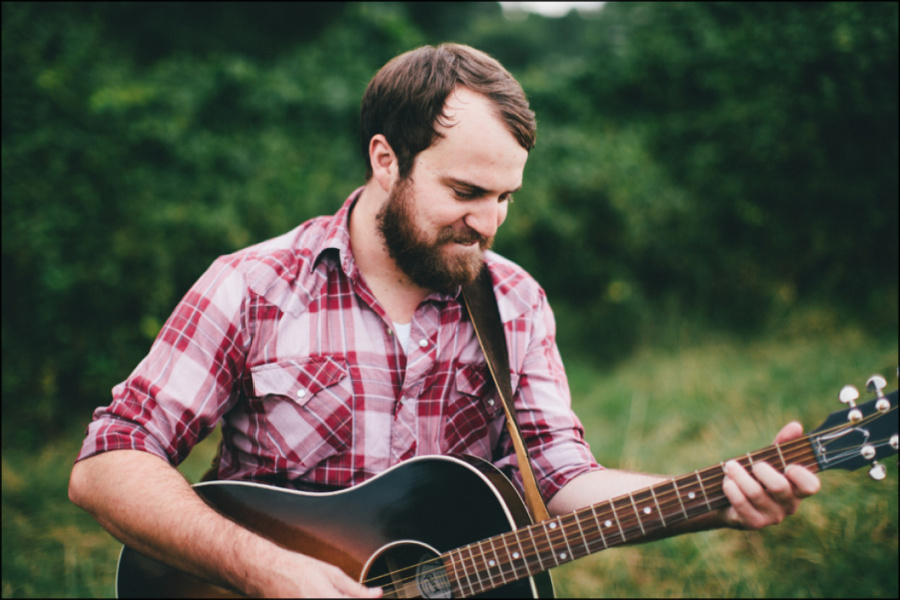
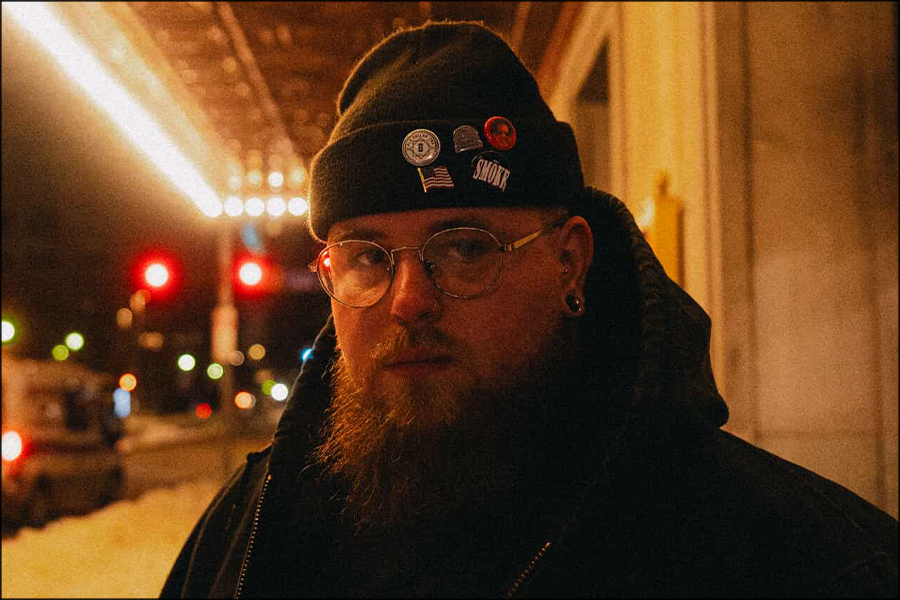
Worship leader and songwriter Nate Moore has spent the past two decades shaping modern worship music through movements such as Housefires and Maverick City Music. Now entering a deeply personal new chapter as a solo artist, Moore is embracing vulnerability, simplicity, and renewed faith after a season of rest, healing, and rediscovery. In this conversation, Moore opens up about worship, burnout, therapy, childlike faith, and the heart behind his new music.
For those who may not know your story yet, can you introduce yourself?
I’ve been a worship leader for about 20 years. I started at my local church in the suburbs of Atlanta, Georgia, and from that church family, we started a band called Housefires, which God really breathed on for a season.
From there, I was also part of helping start Maverick City Music and that whole community, which felt like a brother-and-sister relationship with Housefires. So most of my life has been spent as an artist, songwriter, and worship leader.
Reflecting on all the songs and movements that God has used through worship collectives like Housefires and Maverick City, how does it feel now?
Honestly, it feels surreal. I’m a very nostalgic and sentimental person, so I think back on those moments all the time. I never imagined any of this would happen on that scale. It’s really a testament to the grace of God—how He can take our fish and loaves and multiply them into something that touches people across the world.
More than anything, I’m just grateful. I’m grateful I got to be a part of it, and I’m grateful I’m still here writing music. At the core, the purpose has stayed the same. I want people to know they’re not alone. I want them to know there’s hope no matter what they’re facing.
One of the songs you have mentioned previously that means a lot to you is “Ruins.” Why is that song so personal?
“Ruins” was on the Maverick City Jubilee project during the pandemic. We were in this huge creative bubble together during COVID-19—we all had to test, isolate, stay together, and just spend a full week writing songs, eating meals together, and recording. That song became special to me because it felt prophetic over the season I was walking through.
COVID forced everybody to face a lot of uncertainty, especially creatives and musicians. We were all wondering, “What is life going to look like now?” I was personally battling anxiety, depression, and a lot of mental health struggles during that season.
The song was inspired by Isaiah 61, where God speaks of restoring ancient ruins and calling us oaks of righteousness. It was about looking at all the brokenness in my life and in the world, while still declaring God’s truth over it—that even broken things can be restored and strengthened again.
Worship music has impacted millions through your ministry. What goes into your songwriting process?
I’ve honestly never considered myself a “proper songwriter.” I learned to write songs by singing my prayers. I’ve always leaned toward simplicity. Some people may see that as a weakness, but I think the goal of worship is participation. You want people to engage with God themselves.
If songs become too complicated or too fancy, people sometimes lose their connection to them. So when I’m writing church songs, I’m thinking about the everyday person in the congregation. Can they grab hold of this? Can they use this song to encounter God in their own life?
My prayer is that these songs fill homes, cars, schools, hospital rooms—everyday spaces where people need hope. I’ve heard stories of songs playing when someone’s child was born, at funerals, weddings, and life-changing moments. That’s such an incredible privilege.
Usually, I write from one of two places. Either I’m writing from my personal journey with God—what He’s speaking to me, what I’m wrestling through—or I’m writing into what I sense God doing in the church, in culture, or in the world.
Sometimes you can feel the lack of hope or healing somewhere, and songwriting becomes a way of prophetically speaking the opposite of that into existence.
You recently released your new single “Simplify.” What has this new season of music looked like for you?
I took almost two years off on sabbatical. I needed rest, healing, renewal, and time to process some things with God. Out of that season, I really felt like God revived old dreams in me. I’ve been part of church bands and collectives for years, but I’d never really explored my own solo artist voice.
At the beginning of 2024, I felt like God was saying, “Step back into music and go discover the Nate sound.” For years, I stayed mostly in worship spaces, but deep down, I’ve always loved soulful music, R&B, and music that carries emotion and groove. I think I was afraid for a while to fully bring that side of myself into church culture because I didn’t want it to become about performance.
But now I feel like God is giving me freedom to fully bring my whole self into the music. So some of the new songs are soulful and R&B-inspired, while others are still straight-up worship songs. I’m just letting everything belong in the same space and trusting God with it.
You spoke very openly about healing, therapy, and learning to trust God again. What has that process taught you?
I realized during my sabbatical that I had many wounds God needed to heal. I struggled with fears of rejection, failure, and not being enough. I spent years learning how to hide in the corner instead of really embracing my voice. Therapy, mentors, community, and time with God helped expose those places in me.
I also realized a lot of my anxiety came from trying to control everything. I wanted to control outcomes, people’s perceptions, success, failure—all of it. But God started asking me, “What can you actually control?”
I can’t control how people perceive me. I can’t control outcomes. But I can control what I consume, who I surround myself with, how I steward my relationships, and whether I stay connected to God.
That’s where peace started coming back into my life. I feel like God has been bringing me back to childlike faith again—not childishness, but childlike trust.
A child trusts their father because they know he’s safe, provides for them, and protects them. That’s what God has been teaching me all over again.
What would you say to worship leaders who are struggling with burnout or discouragement right now?
Stay connected to your source. If you try to do ministry in your own strength, you will burn out. I know because I did it. John 15 says that apart from Him, we can do nothing. If you want to bear fruit, you must abide in God.
For a long time, I was leading worship from old fire and empty reserves. I knew the right songs and the right words, but I wasn’t ministering from overflow anymore.
You can’t give away something you haven’t personally received. So, my encouragement is: worship God first. Slow down. Make room for Him. Let Him nourish your heart again before you try to lead others.
I love production, lights, creativity, and all the musical elements of worship culture. But if we lose the first thing—loving God with all our heart, soul, mind, and strength—then everything else gets out of alignment.
Music has clearly played a huge role in your own relationship with God. Why do you believe worship is so powerful?
Worship is how I met Jesus. I grew up in a worshipping church culture that taught us not just how to sing songs, but how to walk with God daily.
Music is one of the greatest gifts God has given us because it’s more than words—it’s frequency, emotion, and connection. A melody can move somebody to tears even if they don’t understand the language.
Worship songs became the soundtrack to my life with God. They carried me through my lowest moments and reminded me to return to Jesus. That’s why I keep doing this. I’ve received so much from worship and music ministry that I want to pour that same encouragement back into others.
Before we wrap up, how can people be praying for you in this season?
Pray for faithfulness and steadfastness. There have been many times in my life where I’ve tried to run—not just from my calling, but from God Himself. But His love always finds me again.
I’d also ask for prayer against discouragement and imposter syndrome. Artists wrestle with that constantly. You release music and wonder if it matters. You question if you belong here.
So pray that I would continue to lean into God’s voice rather than the lies of fear and discouragement. And pray for continued inspiration. My heart is simple: I want people to know they are loved, never alone, and never beyond the reach of Jesus.
Bradden Ford is a Christian music enthusiast responsible for managing NewReleaseToday's new release database of artists and albums. He resides just outside Nashville, Tennessee. Some text in this article was generated by ChatGPT.
NEW!BEHIND THE SONG
#1296 - Mary-Clair
A candid conversation about faith, vulnerability, and finding God
ADVERTISEMENT
NEW!MOVIE REVIEW Miracle
NRT reviews the new movie after attending the premiere
NEW!SERIES REVIEW
A Night At Wingfeather
We attended the show's premiere of the Angel Studios animated show
NEW!NRT LISTS
Worship Into 2026
Standout new worship releases that invite the Church to sing and reflect
NEW!THE CHH DROP
#261 - Gavin the Hotrod
What's new this week in Christian rap and hip-hop