Portland pastor and author John Mark Comer was always a busy man. But, he didn't like always being in a rush. All the time. Consequently, John met with a trusted mentor who encouraged him to, in his words, "ruthlessly eliminate hurry from your life." John still has his hurried moments. But, he's in a better place in his life when it comes to hurrying. He's able to focus on Jesus more–without being rushed.
Before the COVID-19 pandemic forced a global slowdown, John released a new book, The Ruthless Elimination Of Hurry. The book description states: "Too often we treat the symptoms of toxicity in our modern world instead of trying to pinpoint the cause. A growing number of voices are pointing at hurry, or busyness as a root of much evil. Within the pages of this book, you'll find a compelling emotional and spiritual case against hurry and in favor of a slower, simpler way of life."
I had a chance to talk to John about his latest book that has had a profound impact on my own personal life.
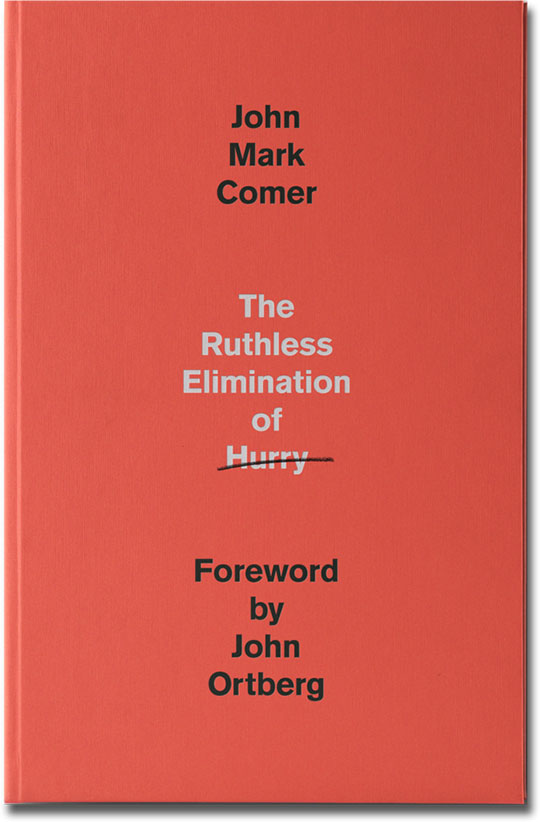
This book has been incredibly poignant in 2020. What are some things that have surprised you about the timing of the book and the year that we have all had?
When I wrote the book, I had no idea that six months after its release in October 2019 the entire world would shut down. It has been surprising to see how that has opened people up to a new level of self-awareness about just how over-busy they are and has motivated a new desire to change. I’m hopeful it results in long-term change for a lot of us.
You're identifying hurry as the source of most of our problems today, and you make a great argument for that. Have you received any pushback from people? I’m curious if this message has resonated strongly, or if it’s come against any resistance because it’s so counter-culture to where we are at right now.
Both. A lot of people love it, but don’t follow through on it; some people do push back, but I think most people honestly ache for a slower and simpler life.
You’re truly encouraging a complete overhaul of how we live our lives, but, for me, it has resonated deep in my soul. I love how you explain the Sabbath, for example. This is woven into our DNA. Are we really that far from God or is getting back into rhythm with Him possible in today’s hyper-fast society?
The beauty is that rhythms help us get back in touch with God but being “in Christ” is a function of Jesus’ death and resurrection and the coming of the Holy Spirit—so the practices are just an attempt for us to actualize and experience what’s already true of us theologically in Christ.
The last half of this book is absolutely packed full of applications about how we can practically slow our lives down. What have been some of the best ways that you have found to be helpful in your own personal life?
The level to which we are online and living in the digital space rather than embodied relationships. I worry that it will form us permanently even further into digital addiction and individualism, but I’m hopeful that the church can become a counterculture of embodiment and relational love.
What’s next? What are you working on?
My next book is called Live No Lies: Resisting the World, the Flesh, and the Devil in the Modern Age. It's out on September 28, 2021. I can’t wait.