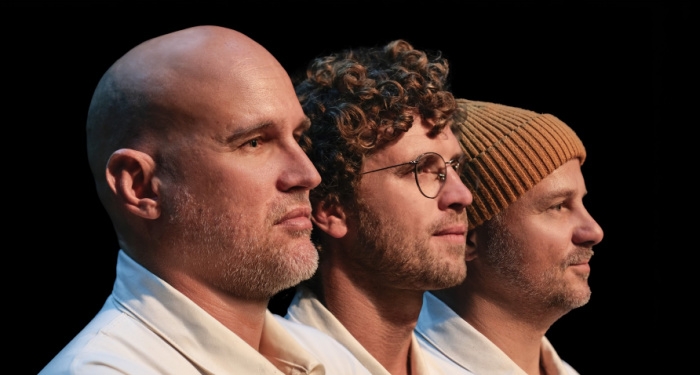
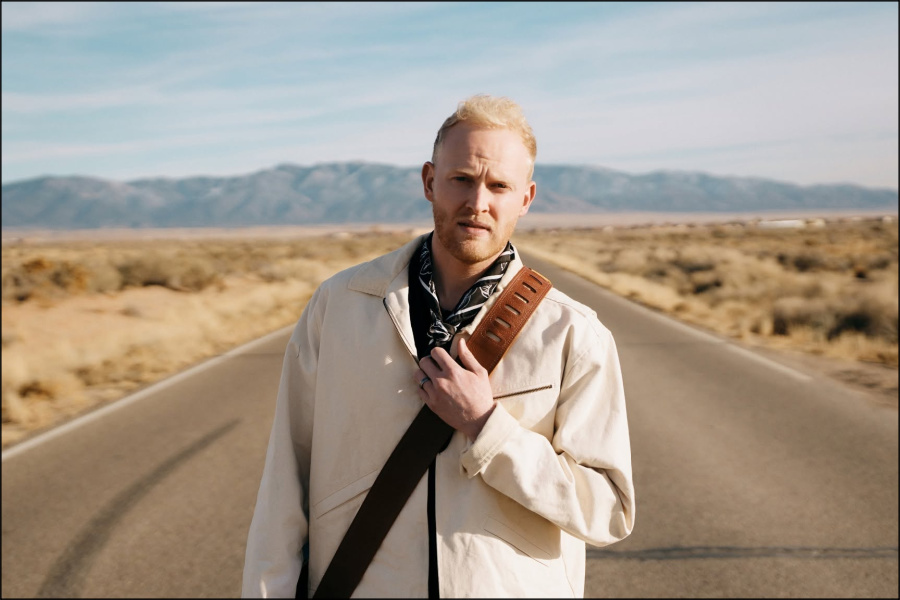
Rush of Fools made quite an impression with two albums in less than two years, including their impressive
self-titled debut. That project yielded the stand-out songs "Undo", "When Our Hearts Sing" and "Peace Be Still." The band was nominated for Best New Artist of 2007 and "Undo" was nominated for Song of the Year.
A year later they returned with the equally impressive album
Wonder of the World, which included the hit songs "Escape", "Lose It All" and "Never Far Away." The band was riding a seemingly unstoppable wave of momentum. But just as things began to peak, the band was forced into hiatus by business matters surrounding their label which were outside of their control.
Over the course of the last two years, the boys in Rush Of Fools experienced the greatest valley of their lives as they waited for resolution. With their futures hanging in the balance, they were forced to look deep inside to discover their true character, both as artists and as human beings.
Produced by renowned mainstream producer Dennis Herring and one of Christian music's highly respected producers, Rusty Varenkamp, this new offering--
We Once Were--brings the most creative project of their career with 12 new songs co-written by the band's ASCAP Song of the Year award-winning songwriters.
With stellar production, the band's immense talent and continued strong support from fans and Christian radio, Rush Of Fools has once again found themselves rapidly climbing the charts with their first singles from the new album, "Grace Found Me" and "Help Our Unbelief." I had the great opportunity to interview Rush of Fools member Kevin Huguley about the catchy rock song.
Please tell me the story behind writing the song "Help Our Unbelief."
As a band, we get invited to camps to minister and perform music, and as band members we're often considered theological and express biblical truth in our songs. We've had people ask us to explain our biblical messages behind these new songs. Granted, these aren't songs only for church people, but they're all filled with theology. We aimed musically to be creative, and we feel like although we've written the songs differently, we may be less congregational but more theological in my opinion.
This was one of the songs that all of the band members wrote together. The opening line in the opening verse--"Tragedies will come with darkest night / Right where we are and none can hide / But mercy is here"--is the thesis of the song. We have an epic, orchestral, "Phantom of the Opera" type musical introduction to the song. We wanted this moving piece of music to reflect on the fact that we aren't who "we once were."
When we looked back on where God had taken us, none of us could deny that we'd been through a lot of heartache and pain together. James 1:2 reflects very closely back to the message of this song. Tragedies are a big part of life. They are very influential on us, regardless if we believe they are intentional or not.
From our perspective, there seems to be much to say about the mystery found in the sovereign will of God, just as Martin Luther himself wrote about this bondage and the two wills of God, both the revealed and the hidden. What's curious about tragic events is that those directly affected will often look back to see great redemption in and through the circumstances that came their way. After all, we find the peaks of mountains to be the more barren land areas, and in contrary the valleys are found to be luscious with growth.
Sure enough, the family of Fools have felt, in many down moments in ministry, the temptation to have a lacking in our faith with God. This song begs to see the Lord help us in our unbelief, as deep down, we understand that even in the worst of situations, there is mercy sitting close by.
Did you base the song on any Bible verses?
James has been our Book of the Bible as a band. This song and the whole album is based on
James 1:2-4: "My brethren, count it all joy when you fall into various trials, knowing that the testing of your faith produces patience. But let patience have its perfect work, that you may be perfect and complete, lacking nothing."
Do you have any personal application regarding your walk as a Christian in writing the song?
If you look in the early New Testament church in Acts, God was sending people out to expand His Church. We also see that the adversary doesn't care for that. I know he's a pawn in the hand of our Mighty God, but at the same time, we see that tragedies and bad things are coming our way. In our culture where we build churches with these perfect programs, and have their every need met by their perfect church program, that's not our promise in Scripture. We are not promised health, wealth and prosperity. I'm also not saying we should all sell everything we have and live in a box. That's a pendulum shift to worship poverty, so I'm not saying that.
I think what's interesting is that we get this mentality that's God's desire is for us to be happy and healthy, like a pseudo-Christian version of the "American Dream." There's a writer who says there's a false Gospel in America called "moralistic therapeutic deism." The idea that we've fallen in love with a God that we've built in our minds that looks somewhat like the Bible's description of Christianity, but when you look into it, people have bought into a deism that sees their moralistic ability and they are made right with God. None of us will say it's by works we are saved, but there's this tone like we're doing God a favor by loving Him.
What's the takeaway message for listeners?
I think for us, when we wrote this song, we're confessing and recognizing that in a culture where if we buy into a lie like the SNL skit--"We're good enough, strong enough and doggone it, people like me!"--what do you do when bad things happen? What do you do with tragedies like Sept. 11?
Throughout the course of Scripture, God looks ahead and in His mind, which we can't conceive, terrible things happen and we need to bring Him glory. Terrible things happen and whether we admit it or not, those things cause us to have unbelief in our hearts. Our hearts aren't close enough to Jesus yet, and they still have trouble believing that Jesus came to live the life that we couldn't, die the death that we should have, because we needed a substitute for our atonement.
This Gospel will always be hard for people. Bad things will happen. James says when trials come, not if trials come. God's mercies are new every morning. Our hope is in the promise that God will make "all things new." When dad loses his job, parents get divorced, etc. we can't see the whole realm of God's story that He's written before the foundation of the world, that God will come help us in our unbelief.
Lyrics:
Tragedies will come with darkest night
Right where we are and none can hide
But mercy is here
Mercy is here
Oh, my God why can't we see
That you have come to redeem Your children
Bring us home
My God don't let us be
But help our unbelief
Help our unbelief
Oh!
When longing seems to fade
And the pain cuts deep
Can we embrace
The dawning of that day
When mercy is here
Mercy is here
Oh, my
God why can't we see
That you have come to redeem Your children
Bring us home
My God don't let us be
But help our unbelief
Help our unbelief
Oh!
Tragedies are coming
Tragedies are coming
But mercy is here, oh
Mercy is here
Oh, my
God why can't we see
‘cause you have come to redeem Your children
Bring us home
My God don't let us be
But help our unbelief
Help our unbelief
Asbury's Bible commentary: "The stark realities of opposition, discrimination, and resentment, however, become the rule rather than the exception. James charges the reader to turn these difficult, trying experiences into spiritual profit. When he commands them to consider it pure joy, he challenges them to take a definite positive stance in the midst of trials. 'Take charge!' he shouts, 'Welcome the challenge!' This testing of their faith will begin to generate endurance, which serves as a basic ingredient in the development of Christian character. James challenges the readers to be open to the ultimate effect of endurance—a mature and complete Christian life. The word perfect, a favorite of James, describes 'a full blown character of stable righteousness.' It comes by making trials work to the advantage of the believer. It sounds great, but it is not easy to do. Each situation requires perception, evaluation, and an informed response. Who has that kind of resourcefulness? It is within reach through prayer."
Complete confidence in and reliance upon the grace of God is the theme of this great song and this incredible new album. God has called Christians to become mature and complete, as first fruits of all He created. This is so high a calling and so valuable an attainment that we may consider even trials along the way pure joy!
Every song on the new album has a similar sentiment of praise and worship to our Savior set to catchy melodies and sung with emotion by Wes Willis. Welcome back, Rush of Fools; this is a great return from one of my favorite bands.
As Kevin said, bad things will happen. The Book of James says when trials come, not if trials come. God's mercies are new every morning. Our hope is in the promise that God will make "all things new." Amen!
(You can listen to this great song
here.)