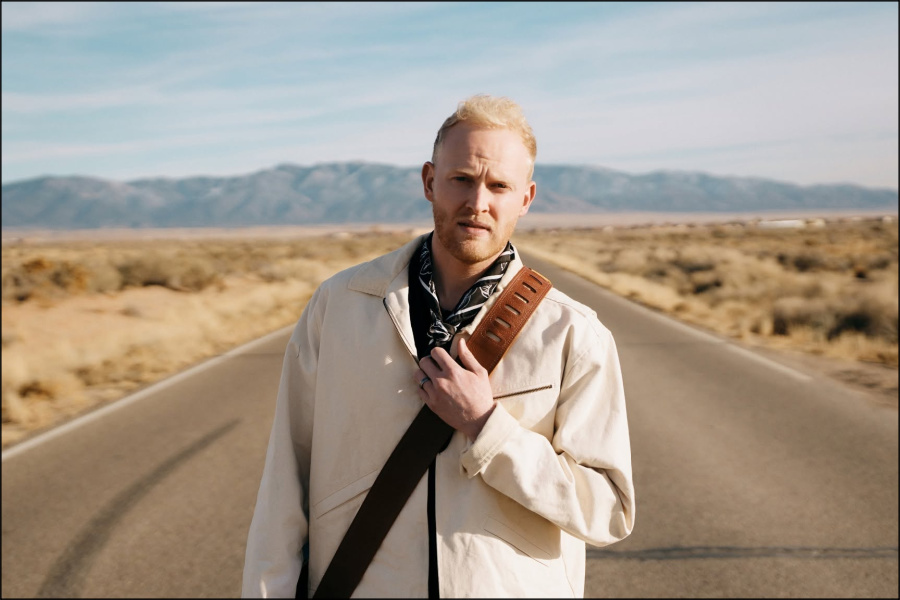
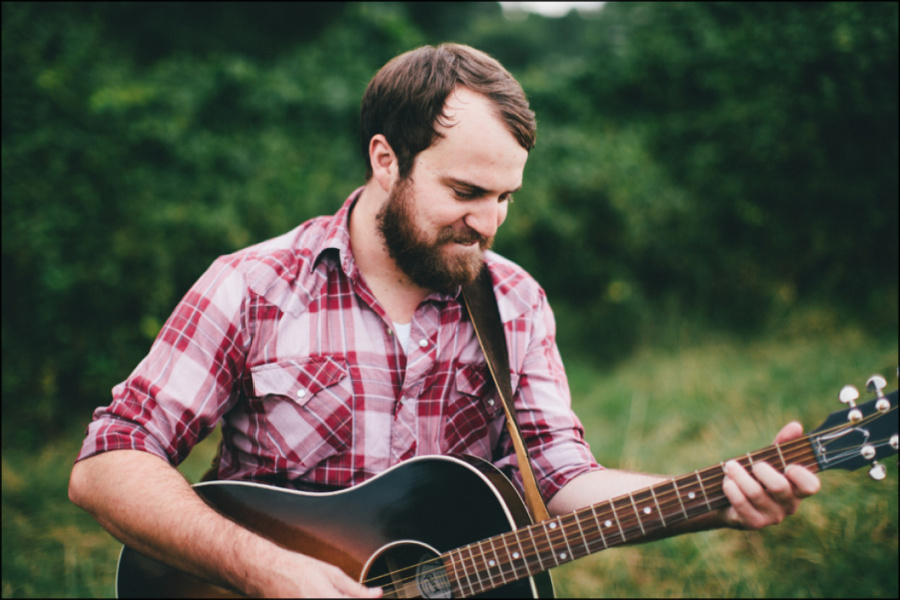
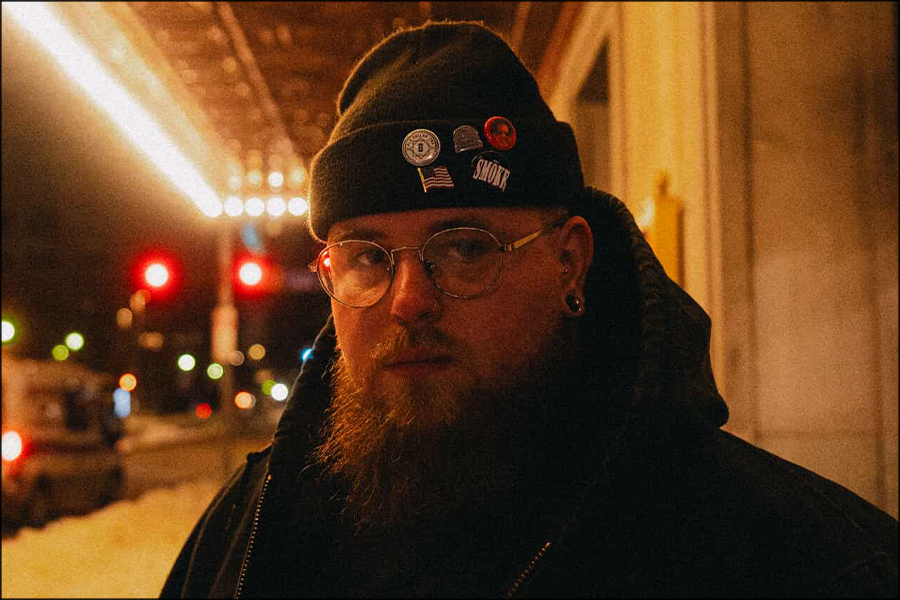
Lecrae is a GRAMMY-winning Christian Hip-Hop (CHH) artist, philanthropist, cofounder of the major record label Reach Records, and businessman. He is recognized for blending faith-based messages with mainstream hip-hop culture. Lecrae has released a total of 10 solo studio albums, four outreach-focused mixtapes (the Church Clothes series), two collaborative projects (with hip-hop artists 1K Phew and Miles Minnick), and numerous label collaborations, including the Man Up soundtrack and 13 Letters. Additionally, he has contributed to the summer series, which features singles released over the past eight summers (2018, excluding 2024).
Beyond his music career, Lecrae is a social activist, a well-known speaker, and a New York Times best-selling author of two books: Unashamed (2016) and I Am Restored: How I Lost My Religion but Found My Faith (2020). He continues to challenge genre boundaries, aiming to influence faith, music, and pop culture.
On August 28, NRT’s CHH expert Joshua Galla briefly interviewed Lecrae about the August 22 release of his latest album, Reconstruction, his tenth solo studio project.
The album captures the sound Lecrae has been refining throughout his prolific career over the past two decades. Reconstruction shows the four-time GRAMMY winner looking inward and returning to the core beliefs and practices that first sparked his faith. Spiritually, Lecrae is reconstructing walls representing the Fruits of the Spirit, which serve as the foundational elements of faith: love, joy, peace, patience, kindness, gentleness, goodness, and self-control.
During the interview, Lecrae discussed his latest album, Reconstruction, highlighting positive reviews that praise its cohesive feel, as well as criticism that the songs are too short. He shared his personal healing journey over the past five years, especially from experiences of "church hurt." Lecrae stressed the importance of blending faith and culture through collaborations with artists such as Killer Mike, T.I., and Jackie Hill Perry. He reflected on the album's themes of grief and spiritual renewal, especially in tracks like "Headphones." Lecrae also discussed his upcoming world tour, focusing on fan experiences, and his ongoing struggle with seeking God's approval rather than human validation.
What are your two or three favorite positive critiques, negative critiques or criticisms that you've received about Reconstruction?
The most significant positive aspect is that people recognize this was an album experience, not just a collection of singles. I wasn't trying to make a hit. I was trying to create an experience. Every track is intentional. When people admit they can go through (listen) to the entire album, that's a big compliment to me because people just don't listen to albums anymore. They just listen to singles. The only standout critique that I've received is that the album should be longer; the songs are too short.
Between homelife, your artist spotlight, or life in general – was there a process of personal reconstruction before you were prepared to enter “album mode” and begin the creation of Reconstruction?
What most people do not realize is the level of personal work accomplished over the last five years or so. A lot of things were bottled up without a straightforward way to express them outwardly. Sometimes, you must fully live and immerse yourself in something, digest it, and pour yourself into it until it becomes a part of you. That was my intention for this album. To be an overall experience, not just a collection of random songs.
I want people to understand that Reconstruction is similar to spiritual renewal, building on the foundation of God. The process stretched across all aspects of my life. You’re spending time with family, you’re building with your kids and spouse, and learning how to be a better parent and husband. You’re doing stuff in the community, trying to be more consistent in multiple areas of life, and all of this combined is the thing assisting the healing process. I describe the album as one big process.
Was there any particular emotion you had to heal from before all the processes were combined into ideas for the album?
Yes, sir, church hurt. It wasn’t until recently that I could discuss it helpfully and healthily. Just because you had a bad math teacher, for example, doesn’t mean math isn’t accurate or a significant part of the learning process. The same applies to a bad experience with the church. It wasn’t the local church that really messed me up, but the broader church. The evangelical church. At first, I was blaming God until I came to the realization and understanding that they’re just broken people like me.
We’re all broken people, some worse than others. When we recognize and see that, a great deal more grace is given to the people I meet and interact with now. I don’t write people off; I try to understand their story and their convictions. If somebody is yelling at you or telling you that you're “trash,” I wonder who spoke to them in that manner and why they feel like that. Overall, you begin to have much more grace for people. At the end of the day, I want fans and listeners to be able to hear my own transparency, rawness, struggles, and difficulties, and the result of a stronger faith than ever after reconstruction, so that they, too, can achieve the same results.
I love how relationships are a decisive factor in the selection process of the featured artists you’ve placed on the album. From the mainstream side of hip-hop, you have TI, Killer Mike, Fridayy, and Jon Bellion. Then, you have the Christian A-listers, such as your own Jackie Hill Perry, Madison Ryann Ward, MEZZO!, Torey D’Shaun, Propaganda, Aklesso, and Hollyn. What goes into the selection process, and what specifically is important to you? Is it more relational, like “breaking bread” of sorts, or more transactional?
I want to be a bridge—a bridge from faith to culture and vice versa. By whatever means necessary, I want to bring Jesus to all. Early in my career, it was mainly about exposing people to new things. I was driven to uncover the mainstream hip-hop realm in the Christian world in which I live and operate. Also, I wanted to expose Christians to how we “should” navigate the mainstream world as followers of Christ. However, it’s not just about exposure now.
Now, I’m opening the doors to my personal life and spaces I reside within and letting you inside the real world. My real-world relationship is with people like T.I. and Killer Mike. I have a solid relationship with Torey D’Shaun. Propaganda is one of my best friends. I wanted to show people you can live in the real world without being corrupted by the darkness of the world or losing who you are. Even though you maintain the relationships you have in church, you can also be a bridge, similar to what God calls us to do and operate within this life.
“Headphones,” featuring Killer Mike and T.I., is one of your focal tracks. How did that song come together, and what were some of the behind-the-scenes processes that formed the intended concept?
The song was a concept I had already had in mind before preparing for this album. Recently, my cousin passed away. He and I were extremely close. I knew Killer Mike had just lost his mom. I was curious what it would sound like if I could get Mike to talk about the pain of losing his mother. I didn’t realize he had lost so many other close people that he mentioned in the song, too. I’ve known T.I. for years already.
We’ve discussed possible music projects together and have collaborated on multiple initiatives in the Atlanta community before. Ironically, T.I. hit me up to tell me he’d love to create something with me. I got to thinking that I had this song with Mike already in mind, and instantly thought I might have the right song to work with T.I. on, too. As I thought more, I realized he had lost his best friend and some other significant people in his life as well.
Asking myself, can we as grown men have a conversation about personal grief on an album in a healthy way? Reminiscing about those loved ones we’ve lost, I had a deep hope that these individuals can hear me in heaven. So, I started thinking that when you talk about the idea of heaven, or any thought of it, you’re getting people who probably don’t spend a lot of time thinking about eternal matters or eternity in general. Thus, the track was born. The human side of grief and the beauty of it all came together like a God thing.
Before the album’s official release, three singles came out (“Tell No Lie,” “Bless You,” “Headphones”). However, two additional songs were also released before August 22. The Red Bull-sponsored freestyle (which later became “H2O”) and “Die For the Party” (the Kendrick Lamar reaction). How did these two “one-off” tracks fit into the overall track list design and project makeup?
That’s a good question. The funny thing was, “H20” is a song that I felt should be on the album; however, where does it fit in with the overall feel? I actually wasn’t going to put the track on the final cut of the album, but literally everyone at the Reach office told me, “You gotta put it on the album.” Then, I begin thinking again about where it even fits in the Reconstruction storyline. Although if you grew up on Gravity, Rebel, and Anomaly albums, it’s aggressive, and it’s rooted in who I am. So, it deserves a place in the overall story.
With “Die For The Party,” the culture initially demanded this song. It’s a part of the Reconstruction story because it’s a part of me responding to the culture. If I am to be that bridge of faith and culture, this is a unique representation of that. The song was a perfect marriage of the times, as I had to reconstruct my spiritual journal while still being honest about who I truly am in the culture. Also, I am honest with Christian audiences about what I feel God has called me to do. The song perfectly articulated such a thought process.
Let’s talk about legacy. This is your 10th solo studio album. In the timeline of the 21 years you’ve been with Reach Records, you’ve dropped 16-plus projects. Based on that, how often does the term legacy get thrown around in your life? Also, anything you want to reflect upon from the past two decades of music and influence?
Inheritance is what you leave to people, and legacy is what you leave in people. That’s the most important part of me, what have I deposited in the lives of people? With each encounter I have, how is that person walking away any differently? What are they changing about their life because of the impact of the work or ministry that I’ve done with them? Was I just some good tunes to jog to or work out to, or did I help create a soundtrack for people’s lives? That’s legacy to me.
One of your infamous quotes, “If we live for their acceptance, we’ll die from their rejection.” At what point in your journey did God's acceptance become enough over the approval from people, from fans, and from your network of friends?
Yesterday, tomorrow, and even today, right? It’s an ongoing process. I’m better at certain areas of that phrase than I was before. However, there always seems to be a new area I have to wrestle through. I’m far more comfortable with who I am as well as my identity in Christ. I don’t see celebrities anymore. They’re just people, humans like you and me. I’m not intimidated, ashamed, afraid, or “in awe” anymore.
The struggle for acceptance now isn’t the fact that I want people to accept me. It’s more of not wanting my character to be misconstrued. After all, they killed Jesus because they thought He had bad character. Who you represent: your character, words, and even body language define you. Ensure that the core of that person speaks outwardly as a model of Jesus, not after one sinful thing after another.
You have your World Tour coming up soon, with over 40 stops in total. Is this ‘Reconstruction World Tour’ different from any previous tour spawned from the release of an album?
This one is special because it’s for the fans. Most of the time, when you go on a tour, your motive is to surpass the last one. With the new tour, my thought process revolved around, “What do the fans want?” You know they’re going to want to hear stuff from Reconstruction (obviously), but also maybe Gravity or Rebel, too? So, what’s that going to look and feel like? I just want to create a visual experience. I want people to feel blessed as they exit the show. That’s what’s important to me. So, yeah, the experience is what will make this tour cool.
Just to wrap up, something NRT staffers like to do with the artists we interview is pray over them. Prayer is special, a weapon Christians possess, but most take far too lightly. So, is there anything specifically you’d like to pray over, or would you like to pray generally?
The tour is extensive, covering several states and countries. I’ll be sharing a truth that evil powers won’t want me to share from the stage.
Thank you, Lord, for this opportunity to speak with Lecrae, as he has had a profound effect on the masses, both behind the scenes and in the media's eye. Father God, be with him and his team as they travel throughout 40-plus cities, states, and countries. Father God, provide traveling mercies, and the Gospel will be spread through the hands and feet of Your Son. Father God, bless Lecrae’s actions behind the scenes, backstage, as well as on the stage in front of the fans. Just let his heart show and emanate Jesus and everything that He's done for not only Lecrae, but for all the children that are called under his faith. Thank you for everything he's able to do in the music scene and on the streets, and for being a guiding light to many. Thank you, Lord, in Jesus' name, we pray, amen.
Joshua Galla is an audiophile hyped about all forms of art in music, but his passion rests behind CHH and soulful vibes. He's a devout husband, father, and child of God. Concerts are his happy place. He has been an NRT contributor since 2016.
NEW!BEHIND THE SONG
#1296 - Mary-Clair
A candid conversation about faith, vulnerability, and finding God
ADVERTISEMENT
NEW!MOVIE REVIEW Miracle
NRT reviews the new movie after attending the premiere
NEW!SERIES REVIEW
A Night At Wingfeather
We attended the show's premiere of the Angel Studios animated show
NEW!NRT LISTS
Worship Into 2026
Standout new worship releases that invite the Church to sing and reflect
NEW!THE CHH DROP
#261 - Gavin the Hotrod
What's new this week in Christian rap and hip-hop