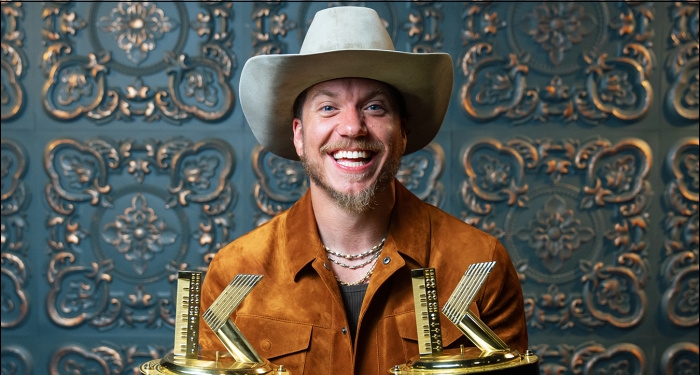
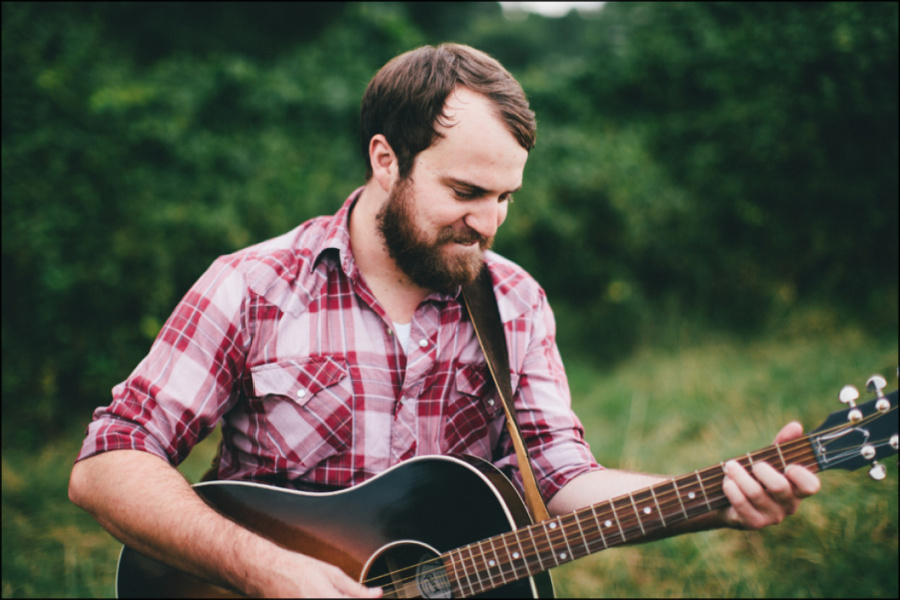
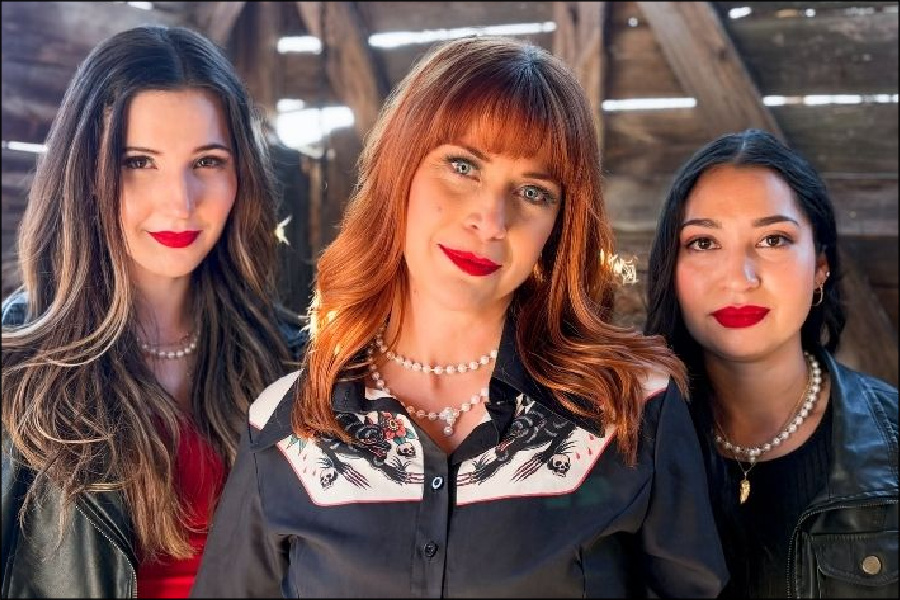
If you’ve been involved in Christian music for any length of time, chances are you’ve already heard the names Rusty Harmon is helping boost: Mary-Clair’s breakout worship anthems, The Band JAREN’s rapid rise on social media, and Micah Christopher’s increasing momentum that ultimately led to his deal with Integrity Music. These aren’t just accidental success stories—they’re the result of a veteran music executive whose influence was once present on one of the biggest mainstream albums in American history.
Before entering the Christian contemporary/gospel/worship space, Rusty was the original manager of Hootie & the Blowfish, guiding their album Cracked Rear View to sell over 25 million copies and helping it succeed at a time when the industry was heavily focused on alternative rock. His instinct for artist development, his loyalty to his teams, and his belief in fostering genuine fan connections have always distinguished him.
Today, that same passion drives Vere Music, his Nashville-based label-services company dedicated to supporting artists with purposeful music. Whether he’s assisting Mark Bryan and Soni (both releasing Christian-leaning projects), developing new artists like Mary-Clair, or guiding worship leaders like Micah Christopher, Rusty is using everything he learned at the highest levels of the industry to serve a genre he now believes has a “greater purpose.”
And Christian music listeners are noticing the effect.
You’re best known as the original manager of Hootie & the Blowfish. What lessons from that time still influence your work today?
It’s all-encompassing. Everything I learned during that time still applies today. One key point that remains true from then until now is that artists who tour can use marketing strategies to boost fan engagement. With Hootie, it was always about expanding their fan base, entering new markets—leading to more CD sales—and making more money on the road. Today, it’s all about increased digital consumption. An artist on tour can create social media content, sell merchandise, advertise, promote their latest single, and build their brand. But it’s also a mindset. Usually, artists who enjoy touring don’t mind hard work, and that hardworking attitude often influences all areas of their career.
How did you convince Atlantic Records to back Hootie at a time when alternative music dominated the charts?
I cannot take credit for that. It was mainly because we were selling many of the top records in the Southeast at that time. Atlantic Records would track retail outlets nationwide to see which independent acts were selling well. There was a record store called Manifest Records based in Charleston with which I did consignment deals. We would place 10 to 15 CDs in their stores at a time, and they would sell them as fast as we could deliver.
Eventually, they started ordering over 100 CDs per store at a time, and we would sell them within two or three days. The retail rep at Atlantic Records noticed this pattern and reported it to A&R rep Tim Sommer. Tim then visited a show in Charleston and offered us a deal the following week. By then, we had sold about 50,000 CDs.
Looking back, what do you consider the proudest moment of your career with Hootie & the Blowfish?
That's simple. After the band’s popularity soared, everyone had advice on how we should manage our business. But the five of us stayed true to what got us there in the first place. We deliberately treated everyone with respect and kindness. We tried to keep that unchanged as the band grew.
What inspired you to launch Vere Music, and how does its model differ from traditional record labels?
The launch of Vere Music was the result of several years of management experience, collaborating with record labels and digital distribution companies, all coming together at once. As a career manager, one of the most exciting moments with any artist is developing a release strategy for a new record. I’ve always loved how you can combine touring, publicity, brand partnerships, and the strengths of every team member to focus all efforts on the release.
Today, with all the resources available to artists and the variety of platforms, they are missing opportunities to build a solid release strategy. Partnering with a major label-owned independent distributor like ADA allowed me to combine years of experience with a team that truly cares about personal attention. We’ve been able to leverage artists’ strengths and turn them into marketing assets that digital service providers (DSPs), like Apple Music and Spotify, love to hear about when pitching for playlisting. Vere differs from traditional labels in that the artist is essentially the label; we only handle marketing and distribution. The artist owns the masters and controls how marketing funds are spent.
Why is it important for artists to retain ownership and control of their music in today’s industry?
It really depends on what matters most to the artist. Ownership of the masters (original sound recordings) during the development stage is key for negotiating a deal at the next level, especially if a major label shows interest. The artist can also negotiate any sync placements that may arise. However, one thing artists need to remember is that if they own the masters, they are also responsible for the financial commitment needed to market their record. This is something some artists tend to overlook.
Many musicians don’t fully understand how much time, effort, and money it takes to break a developmental artist. If an artist owns their own masters, they are responsible for all the costs and effort involved. But if you do own your masters and handle all that work, then when it’s time to move to a major label, you have the choice to make that jump or to remain independent. Ownership of your masters gives you that option.
You’ve said worship music has a “greater purpose.” How does that shape how you market and support Christian artists?
Understanding what is truly important to Christian artists helps guide how you market and support their careers. Recognizing that the ultimate goal is spreading the kingdom and reaching people who may be lost or need spiritual support genuinely alters how you approach your job every day. I am honored to work with Christian music artists and the community.
Why do you think Vere’s approach is especially suitable for the contemporary Christian, gospel, or worship music space?
There is not much artist development seen in the Christian contemporary music and worship community. This does not mean that good management teams don’t understand artist development. However, it's generally easier to work with an artist already signed to a major label or who has a K-LOVE single. Vere’s approach enables artists to build a fan base and grow their digital consumption before signing with a major label. We focus on their strengths and help them improve in areas where they still need support.
Can you share a success story from Vere, like Mary-Clair, The Band JAREN, or Micah Christopher, that shows how your model works?
Each of these artists has their own unique success story. Mary-Clair had never released music before working with Vere, and now she has approached eight million streams. She has steadily grown her social media following and gained favor with DSPs by focusing on her songwriting, expanding her industry network, and releasing records using Vere’s strategies.
The band JAREN has truly caught lightning in a bottle. Their social media following and streaming numbers have grown dramatically. As much as I would like for Vere’s team to take credit for their success, I genuinely believe we just needed to release their records and avoid doing anything stupid. They only needed a solid release plan. We presented that plan, and they followed it perfectly.
Micah Christopher already had label interest. It was Vere’s responsibility to consistently release his records and demonstrate growth across all digital platforms. We did that, and he was offered a deal from Integrity after his EP was released with Vere.
The common thread among all three artists is that Vere took the time to understand each of their strengths, created a solid marketing plan for each, and then carried out that plan by updating our marketing strategies weekly when pitching to the DSPs. Our team is extremely proud of the work we did with each of those artists.
What makes creative partnerships, like Mary-Clair singing the national anthem at a WNBA (Women's National Basketball Association) game, so effective for Christian artists?
This isn’t unique to Christian artists. Whenever an artist is placed before a large audience—like during national anthems at sporting events—potential fans get the chance to discover the artist and feel a connection, which helps grow their fan base. To Mary-Clair‘s credit, she embraced this idea and found several opportunities.
With streaming at the center of the music business, how do you approach digital marketing and playlist placement for Christian artists?
Contemporary Christian music is among the fastest-growing streaming genres in the industry. With everything happening politically and in our country, people are craving positive messages. DSPs have adopted this genre and aim to increase their market share by supporting CCM and worship communities.
Not to sound repetitive, but Vere’s approach is to create a marketing campaign that incorporates the best practices of DSPs. How do they prefer to see records pitched for playlisting? Are you pre-saving your releases? Is there an advertising campaign? Are you touring to promote your release? What kind of social media content are you providing for each release? Our role is to clearly communicate all this information to the DSPs.
Our label rep at ADA, Robert Turner, has played a key role in developing our marketing strategy. Paige Heinemann, our project manager, and Kaylin Townsend, our project coordinator, constantly engage with the ADA team and update the marketing campaigns to ensure our messaging resonates with the DSPs. Collaborating with our distribution partner as a team has been invaluable for our artists.
How does Vere manage working across multiple genres while remaining dedicated to Christian contemporary, gospel, and worship music?
Regarding distribution and marketing, working in one genre doesn't prevent you from successfully working in another. Many of our strategies are similar because you need to understand what matters to the artist, and their strengths, and highlight those strengths. This approach stays consistent across different genres.
What challenges do Christian artists encounter today that weren’t as prevalent 10 or 20 years ago?
Well, social media certainly plays a bigger role than ever before. Artists are figuring out how to effectively use social platforms to grow their fan base more quickly. But there can also be instant negative feedback. So, really, all things social media—the good, the bad, everything in between. It’s a challenge for all of us.
Also, the divisiveness in the world today and the need some people feel to push their opinions on others. Social media definitely makes this worse.
You’ve shared your faith and sobriety journey. How has that influenced your leadership and vision?
Honestly, it’s much more than sobriety that has influenced my leadership and vision. I give full credit to the Holy Spirit for that. I’ve always known right from wrong, but now I genuinely want to do what’s right all the time. I want to steward my experiences well, lead by example, and share my journey with young artists and musicians. I feel so blessed to be guided by a moral compass rather than the temptations that come with this career. Staying sober has helped me become more dedicated to my faith, and that has made everything in my life better.
Aside from sales and streams, what influence do you want Vere to have on artists and the industry?
This is pretty simple. I want artists to always position themselves for maximum success. I genuinely believe our marketing campaigns do exactly that. When we collaborate with an artist and their team who embrace this process, we've seen remarkable results. It makes me very proud to hear an artist say that the Vere team helped grow their career.
Looking ahead, what excites you most about the future of Vere Music and the next generation of Christian artists?
It's an exciting time for Christian artists. The genre is growing faster than any other. The world needs to hear these messages. Christian artists have the opportunity to reach more people than ever with their messages of faith and hope. I’m excited to help spread that message and the kingdom.
How can we pray for you?
That is very kind of you. Please pray for my continued growth in my spiritual journey. Pray for my family—my wife, Lori, and my daughters Sadie, Katie, and Gracie. Also, pray for my church, Stonebridge Bible Church, and for our Vere team and all our artists.
|