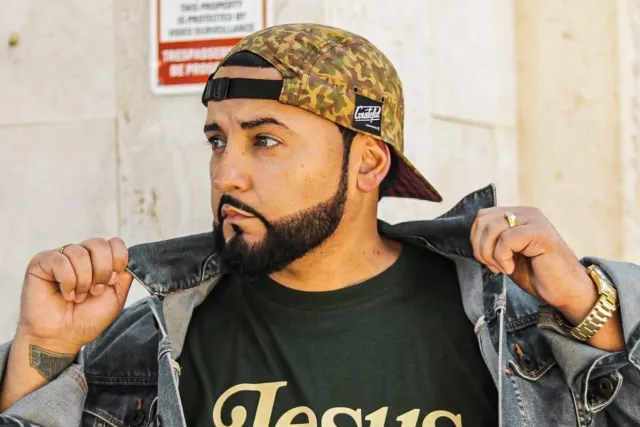



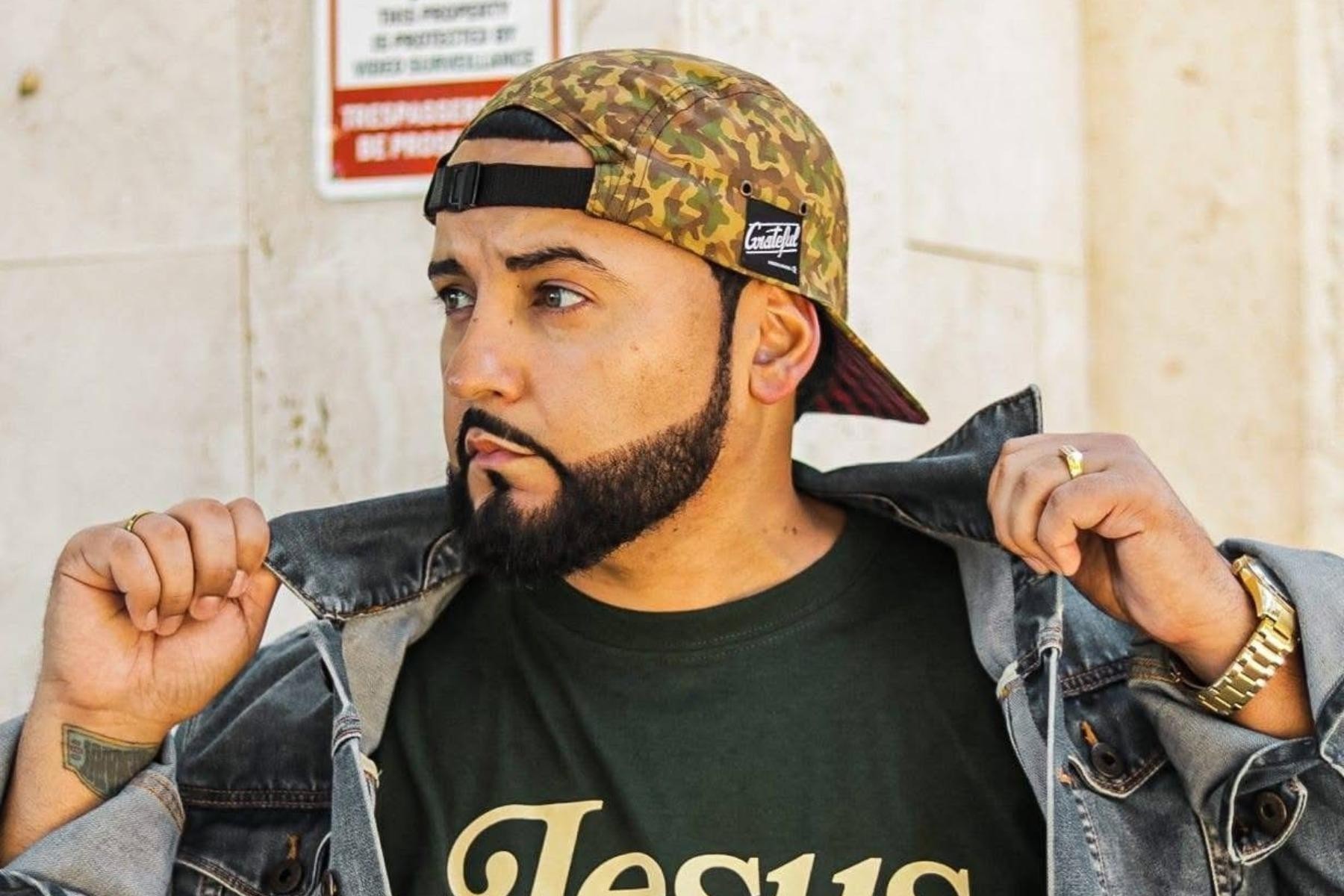
Christian hip-hop veteran Datin recently found himself in a very public feud with legendary emcee Talib Kweli. While much of the recent conflict has unfolded on Facebook, Datin says it actually stretches back nearly a decade.
After releasing his response record, Reflection Internal, Datin spoke with NewReleaseToday about how the conflict began, why he ultimately chose to respond through music, the role his faith played in that decision, and why he now believes it's time to move forward.
For readers who may not know the full story, how did your conflict with Talib Kweli begin?
From my perspective, this started about 10 years ago on X. Talib was criticizing a Christian baker who declined to make a cake for a same-sex wedding because of her beliefs. I thought his tone wasn't fair, so I respectfully disagreed. I even told him I was a fan. After that, things got personal. He began calling me things like "Nazi," "racist," "bigot," and "white supremacist," labels I strongly reject. Eventually, I walked away from it.
Years later, the situation came up during an interview I did for the Panda Chop podcast. I spoke honestly, but I called him a "douche bag." It wasn't my finest moment, and I apologized for that language. Talib saw the clip and publicly criticized me again, and eventually the back-and-forth picked up on Facebook.
Did you attempt to resolve things privately?
Yes. A mutual acquaintance who knows both of us asked if I'd be willing to talk with Talib if he could arrange it. I said I was willing. I wasn't eager, but if it meant resolving things and getting closure, I was open. I was later told Talib wasn't willing to have that conversation.
What ultimately led you to respond with a record?
I didn't decide overnight. After being publicly harassed for an extended period, tagged in posts, called a "failed" or "wack" rapper, and facing more serious accusations about my character, I felt there had to be a response. Before putting out any music, I gave multiple warnings and asked him to stop misrepresenting me. Instead, he publicly escalated things and said he wanted "all the smoke."
As an artist and emcee, we respond through music. My goal wasn't clout. I wanted to stand up for myself, show that he'd misjudged me, and expose behavior I believed was wrong through the medium I know best.
As a Christian artist, did you wrestle with whether releasing Reflection Internal aligned with your faith?
I prayed about it for about two weeks before writing anything and felt peace about moving forward. I believe hip-hop includes competition, and participating in that doesn't automatically compromise my faith. For me, the key was whether I could represent Christ with integrity. I also sought counsel from my pastor and several trusted friends. They encouraged me to be prepared for the possibility that responding could escalate the conflict rather than resolve it. That counsel proved accurate.
I left out a couple of bars because they would've gone too far. By the time I recorded the song, I had peace with what I'd written.
What was the hardest part of the fallout?
The hardest part wasn't criticism from people who don't share my faith. It was seeing some people who profess Christ accept serious accusations about me without, in my view, checking the facts. Sincere believers can disagree with how I handled it. What hurt was seeing people embrace a narrative about my character that I believe was untrue. At the same time, my wife, family, and close friends stood by me. They knew my heart and character.
When did you realize the back-and-forth wasn't accomplishing anything anymore?
Recently. I actually have two more records written, but honestly, this has gotten exhausting. I'm not even sure I want to release them. I said what I felt needed to be said and addressed the claims against me. At this point, it feels repetitive; more noise than anything else. I don't want to keep feeding that.
Have you forgiven Talib?
I'll be honest: forgiveness is a process for me. Years ago, after our initial exchange, I truly let it go. When everything resurfaced, it stirred things up again. Forgiveness doesn't mean pretending it didn't happen or that trust is restored. For me, it means choosing not to carry hatred, not seeking revenge, and leaving room in my heart for peace. My aim is to forgive fully without compromising truth or boundaries.
If you could do it again, what would you change, and what would you do exactly the same?
I would've dropped the record and never responded to his Facebook comments or posts afterward. I would've eliminated the back-and-forth and let the music do its job. What would I do the same? I would've dropped Reflection Internal.
Has this changed how you'll handle conflict moving forward?
Definitely. Not every comment deserves a response, and not every battle needs to be prolonged. I'm still willing to defend my character when necessary, but I'll be quicker to recognize when it's time to step away. This experience reminded me to lean on prayer, wise counsel, and patience before responding.
If Talib were sitting across from you today, what would you want him to understand?
I'd explain that he's had me all wrong this whole time and that we probably agree on more issues than he thinks.
What do you hope Christian artists take away from this?
Seek God first. Pray before reacting, and surround yourself with wise people who will tell you the truth rather than simply agree with you.
Don't be afraid to stand up for truth or defend your character when necessary. Just make sure your motives are right, your heart is submitted to God, and you're willing to be corrected if you're wrong.
I don't claim to have handled every moment perfectly, but I tried to approach this prayerfully and with conviction. My hope now isn't to keep a feud alive. It's to move forward, continue serving Christ through my music and ministry, and let my life speak louder than the controversy.
Watch Datin's Video Response: